
PUSPA KUMAR DAHAL
PRIME MINISTER
Pushpa Kamal Dahal, widely known as 'Prachanda', is a key political leader in Nepal. He led the Maoist insurgency that played a major role in ending the monarchy and establishing a republic. After joining mainstream politics, he served multiple times as Prime Minister and remains a central figure in shaping Nepal’s democratic and federal system.
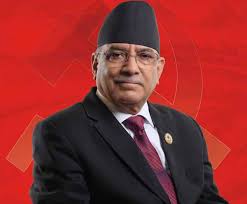
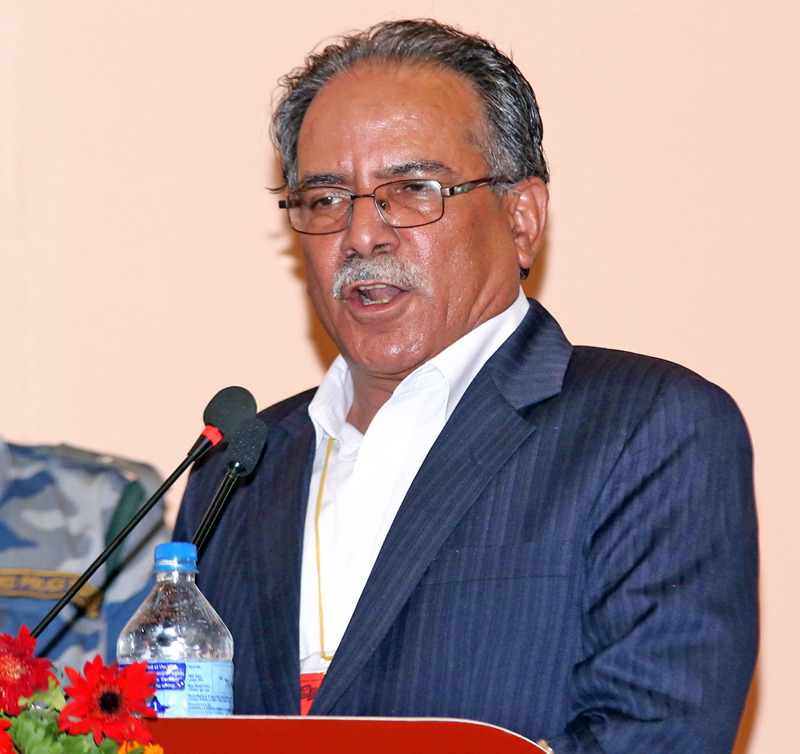
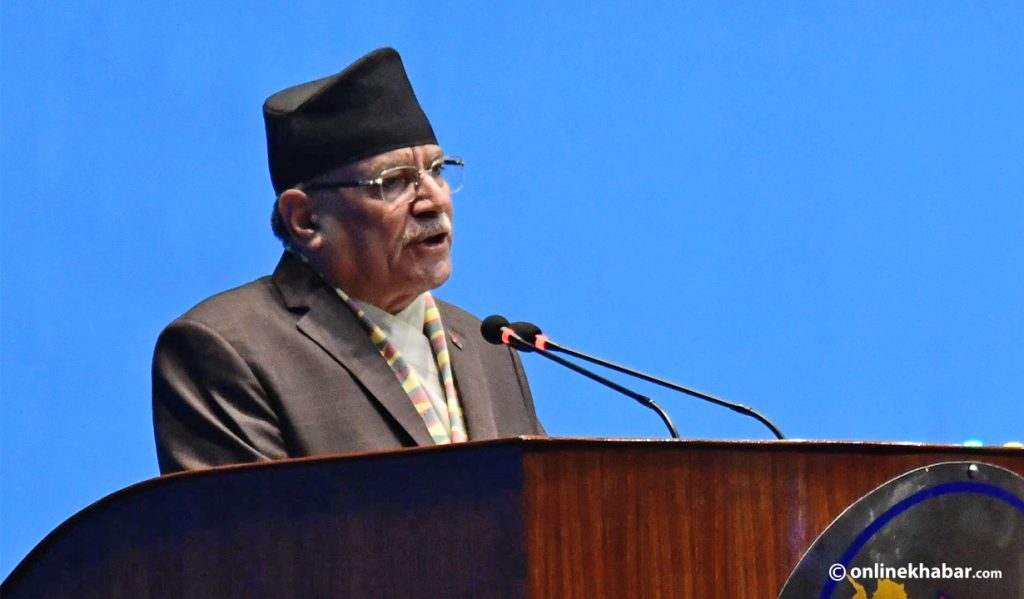
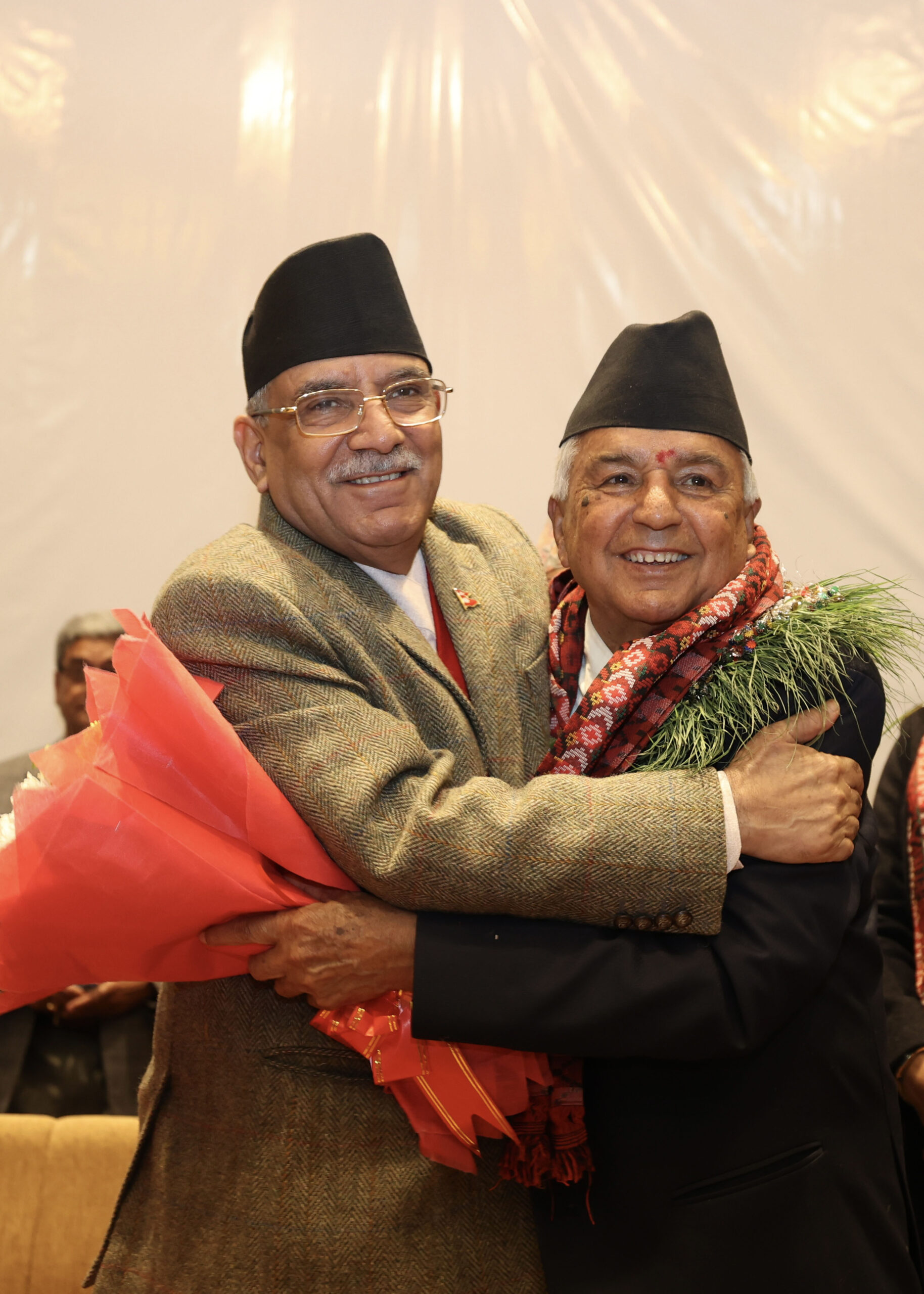
Pushpa Kamal Dahal, popularly known as Prachanda, is a major political figure in Nepal who played a central role in the country’s transformation from monarchy to federal republic. As the leader of the Maoist insurgency during the Nepalese Civil War (1996–2006), he led a decade-long armed struggle demanding political change and social justice. After the peace process, he transitioned into democratic politics and emerged as a national leader.
Rise Through Communist Politics
In the 1980s and early 1990s, Dahal played a significant role in underground communist politics. He became the General Secretary of the Communist Party of Nepal (Maoist) in 1994 and advocated for radical change in the structure of the Nepali state. On February 13, 1996, under his leadership, the Maoist party launched a ‘People’s War’ against the government, demanding a republic, social justice, and the end of feudalism.
Civil War & Peace Process
The Maoist insurgency lasted for ten years and claimed over 17,000 lives. Despite being labeled a militant leader, Dahal became a key negotiator during the peace process that ended the civil war in 2006. He signed the Comprehensive Peace Accord and led the Maoists into mainstream politics. The movement culminated in the abolition of the monarchy in 2008 and the establishment of the Federal Democratic Republic of Nepal.
Political journey
Dahal served as the first Prime Minister of the Federal Democratic Republic of Nepal in 2008 following the abolition of the monarchy. He has held the position of Prime Minister three times and has been instrumental in drafting Nepal’s new constitution and establishing a federal system. As the chairperson of the CPN (Maoist Centre), he remains an influential figure in coalition politics and national governance.
Legacy & Influence
Despite controversies surrounding his past as a rebel leader, Dahal is regarded as a transformative force in Nepal’s political history. His journey from guerrilla commander to head of state symbolizes Nepal’s complex path to peace and democracy. He continues to be an active voice in shaping the country’s political landscape and development goals.